
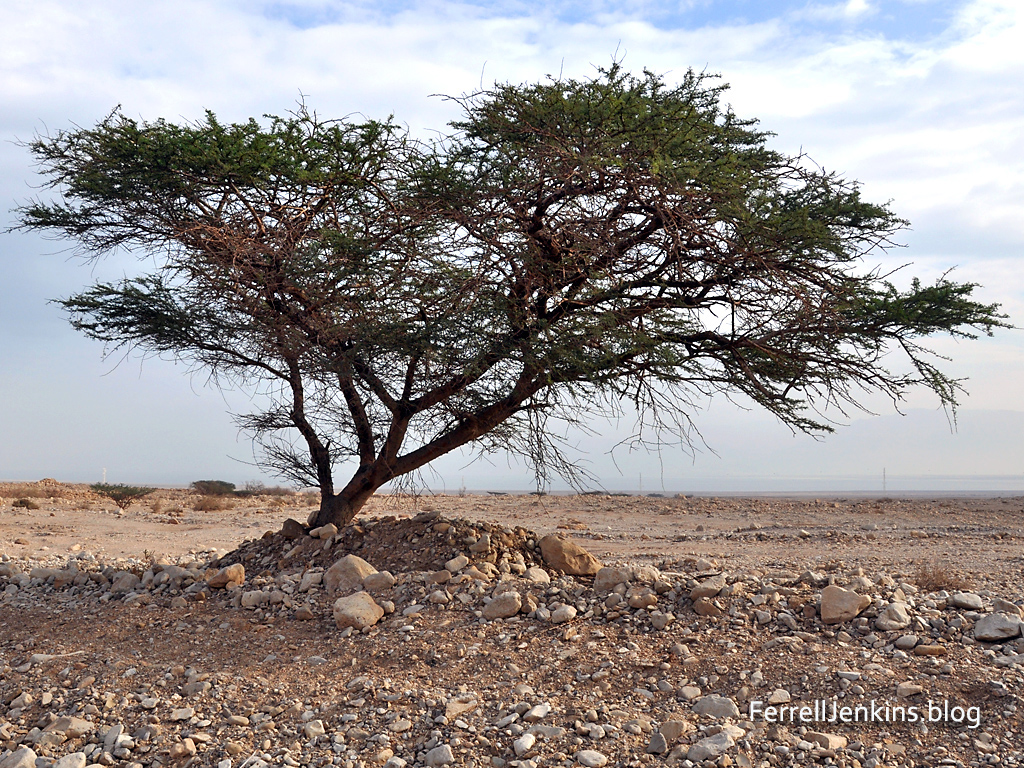
Have you ever come across the term “Broom Bush” while reading the Bible and wondered what it signifies? In this blog post, we will delve into the meaning and significance of the Broom Bush in the Bible, shedding light on its cultural and symbolic representations. Understanding the biblical references to the Broom Bush can provide us with valuable insights that can enrich our spiritual journey and enhance our comprehension of the Word.
Exploring the concept of the Broom Bush in the Bible not only deepens our understanding of the scriptures but also offers us a unique perspective on the natural world as portrayed in the ancient texts. By uncovering the symbolism behind the Broom Bush, we can glean wisdom and inspiration that can guide us in our daily lives and strengthen our faith. Join us on this enlightening journey as we unravel the mysteries of the Broom Bush in the Bible and uncover the hidden treasures within its metaphors.
Unveiling the Mystery: Exploring the Significance of the Broom Bush in the Bible
What is a Broom Bush in the Bible?
In the Bible, the term “broom bush” refers to a specific plant that is mentioned in the story of the prophet Elijah. In 1 Kings 19:4-5, Elijah finds himself in a moment of despair and exhaustion after fleeing from the threats of Queen Jezebel. As he sits down under a broom bush, he prays to God to take his life, feeling overwhelmed by the challenges he faces.
The broom bush mentioned in this passage is believed to be the juniper tree, specifically the Juniperus phoenicea species. This tree is native to the arid regions of the Middle East and North Africa, including areas such as Israel, Egypt, and Lebanon. The juniper tree is known for its ability to survive in harsh desert conditions, with its twisted branches and needle-like leaves providing shelter from the sun and wind.
In the context of Elijah’s story, the broom bush symbolizes a place of refuge and shelter where he finds temporary solace in his moment of weakness. Despite his feelings of despair, Elijah’s encounter with God at the broom bush ultimately leads to a renewal of his strength and purpose, reminding him of God’s presence and guidance in times of trouble.
The mention of the broom bush in the Bible serves as a reminder of the importance of seeking solace and refuge in God during times of difficulty and despair. Just as Elijah found comfort and strength under the broom bush, believers are encouraged to turn to God for support and renewal in the face of life’s challenges.
What is the meaning of broom bush?
In the Bible, specifically in the book of Exodus 3:2, the term “broom bush” refers to a type of shrub or plant. It is commonly believed to be a thorn bush or desert plant that grows in arid regions like the wilderness of Sinai. This term is used in the passage where Moses encounters the burning bush, which is traditionally interpreted as a miraculous manifestation of God’s presence and communication with Moses.
What is the spiritual meaning of the broom tree?
In the Bible, the broom tree is often associated with moments of despair and spiritual renewal. One of the most significant mentions of the broom tree is found in 1 Kings 19, where the prophet Elijah, fleeing from Queen Jezebel’s threats, sits under a broom tree and asks God to take his life. In this moment of deep distress, the broom tree symbolizes Elijah’s weariness and his desire to give up.
However, the story doesn’t end there. God provides for Elijah by sending an angel to him, who gives him food and water, allowing him to rest and regain his strength. This symbolizes God’s care and provision even in our darkest moments. The broom tree, therefore, can be seen as a reminder that God is present in our times of need and that He offers renewal and hope even in the midst of despair.
What is the broom bush in Israel?
In the Bible, the broom bush mentioned in the Book of Job is believed to refer to a type of shrub or tree native to the region of Israel. This plant is often associated with desolate landscapes and used symbolically in biblical passages to represent barrenness or hardship. The broom bush serves as a powerful image that conveys themes of struggle, endurance, and the presence of God even in the midst of difficult circumstances.
What is a broom bush 1 Kings 19?
In 1 Kings 19, a broom bush is mentioned in the context of Elijah’s encounter with God on Mount Horeb. This broom bush is where Elijah sought shelter and rest after fleeing from Queen Jezebel’s threats. The significance of the broom bush lies in the fact that it provided shade and comfort to Elijah during a time of physical and emotional exhaustion. Additionally, the broom bush serves as a symbolic location where Elijah received renewed strength and direction from God to continue his prophetic ministry.