
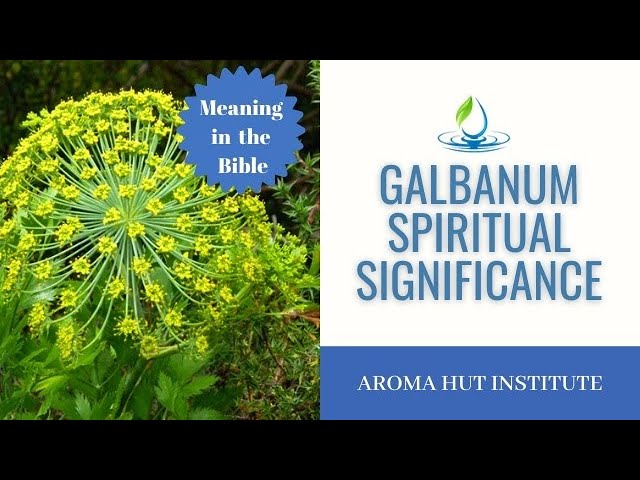
Have you ever wondered about the significance of the mysterious ingredient known as galbanum in the Bible? In this blog post, we will delve into the rich history and spiritual symbolism behind this fragrant resin mentioned in the scriptures. Discover how understanding the meaning of galbanum can deepen your appreciation for the biblical narratives and enhance your study of God’s word.
Exploring the role of galbanum in the Bible not only sheds light on ancient customs and practices but also provides a unique perspective on the spiritual lessons woven throughout scripture. By uncovering the symbolic importance of this aromatic substance, we can gain a fresh understanding of the profound truths and messages hidden within the sacred text. Join us on this enlightening journey as we unravel the secrets of galbanum in the Bible and uncover its relevance for spiritual growth and revelation.
Understanding the Significance of Galbanum in the Bible
Galbanum in the Bible
Galbanum is a lesser-known substance mentioned in the Bible that holds significant symbolic and cultural importance. It is often referred to as one of the ingredients used in the sacred incense described in the Book of Exodus. The passage in Exodus 30:34-38 details the specific components of this sacred incense, which included galbanum along with other aromatic spices like frankincense, myrrh, and cassia.
The precise nature of galbanum is not explicitly defined in the Bible, leading to various interpretations and theories about its identity. Some scholars believe that galbanum was derived from a type of resin or gum produced by certain plants in the regions where the Israelites traveled during their exodus from Egypt. Others suggest that it could have been a fragrant plant or herb native to the Middle East.
Despite its ambiguous origins, galbanum is considered to have contributed to the overall aroma and symbolism of the sacred incense. In ancient Jewish culture, the burning of incense held great religious significance, symbolizing prayers rising up to heaven and purifying the temple. The inclusion of galbanum in this sacred mixture underscored its role in creating a pleasing and fragrant scent for divine worship.
The symbolic use of galbanum in the Bible is further highlighted by its association with repentance and atonement. The act of burning incense, including galbanum, was often linked to rituals of purification and seeking forgiveness for sins. By offering up these aromatic substances, believers sought to draw closer to God and seek His mercy and grace.
Today, galbanum remains a mysterious and intriguing element in Biblical studies, prompting ongoing research and speculation about its exact nature and significance. Its presence in the sacred incense of the Old Testament serves as a reminder of the rich tapestry of symbolism and ritual practices that defined ancient Israelite worship. As modern readers continue to explore the depths of Biblical imagery and meaning, galbanum stands out as a symbolic thread connecting the spiritual and sensory realms of faith.
Is galbanum the same as frankincense?
In the context of the Bible, galbanum and frankincense are not the same. They are both mentioned as ingredients in the sacred incense recipe described in the Book of Exodus (Exodus 30:34-38), but they are distinct substances with different properties. Galbanum is a resin obtained from certain perennial herbs while frankincense is a fragrant gum resin obtained from trees of the Boswellia genus. The two are used for different purposes and have unique scents.
What spice is galbanum?
Galbanum is a resinous gum obtained from certain umbelliferous plants and is mentioned in the Bible as one of the ingredients in the holy incense used in the Tabernacle. It is known for its strong and pungent aroma, which was believed to create a sacred atmosphere during religious ceremonies.
What is the spiritual use of galbanum?
In the Bible, galbanum is mentioned as one of the ingredients used in the sacred incense that was to be made for the tabernacle, as recorded in Exodus 30:34-38. The spiritual significance of galbanum in this context is related to its role in the incense offering, which symbolized the prayers and worship of the people to God.
Galbanum was one of the four components of the sacred incense, along with frankincense, onycha, and myrrh. Each of these ingredients was said to have symbolic significance. Galbanum was believed to represent penitence and repentance, signifying the need for cleansing and forgiveness before approaching God in worship.
So, in a spiritual sense, galbanum serves as a reminder of the importance of humility, confession of sins, and seeking forgiveness as we come before the presence of God in prayer and worship. Its inclusion in the sacred incense highlights the holiness and purity required in our relationship with God.
What are the benefits of galbanum?
In the Bible, galbanum is mentioned as one of the ingredients in the sacred incense used in the Tabernacle, as described in the book of Exodus. Galbanum is known for its strong and unique fragrance, which was believed to be pleasing to God when burned as an incense offering.
Some potential benefits of galbanum as mentioned in historical and biblical context include:
- Purification: The burning of galbanum was believed to help purify and cleanse the air, creating a sacred space for worship and prayer.
- Healing: In ancient times, galbanum was used for its medicinal properties, such as relieving respiratory issues and soothing muscle pain.
- Connection to the Divine: The aromatic scent of galbanum was thought to help facilitate a connection to the divine realm during prayers and rituals.
Overall, galbanum holds significance in biblical and historical contexts as a sacred ingredient with potential benefits for spiritual practices and well-being.