
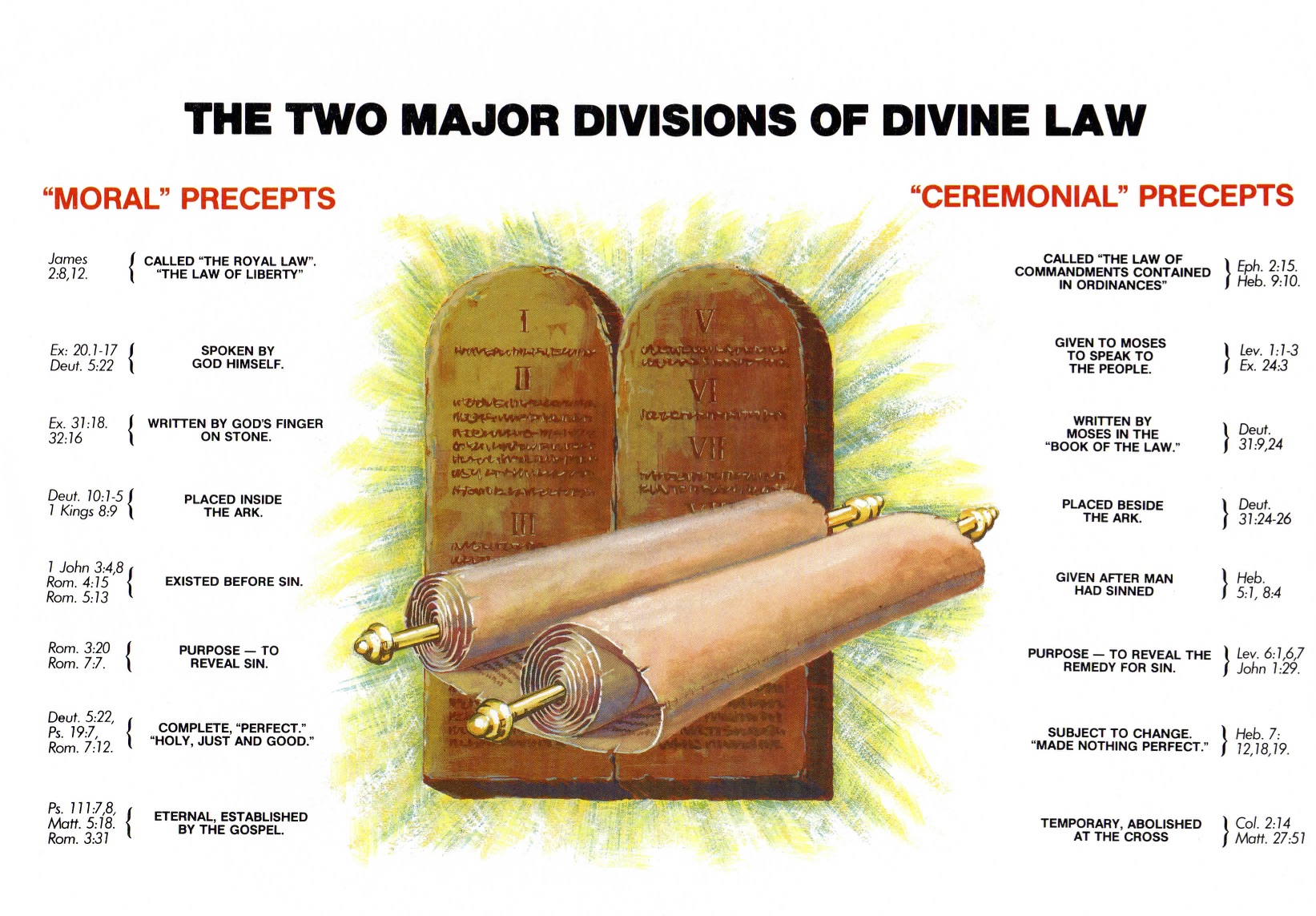
Have you ever wondered what exactly moral law means in the Bible and how it applies to our lives today? In this blog post, we will delve into the concept of moral law as outlined in the scriptures and explore its significance for guiding our actions and decisions. Understanding moral law can provide us with a solid foundation for living a righteous and fulfilling life according to God’s will.
By gaining insight into the moral principles laid out in the Bible, we can cultivate a deeper sense of morality and integrity in our daily lives. The study of moral law offers us a roadmap for making ethical choices and navigating the complexities of modern society with wisdom and discernment. Join us as we unpack the profound meaning of moral law in the Bible and discover how it can positively impact our character and relationships.
Understanding the Concept of Moral Law in the Bible
What is Moral Law in the Bible
The concept of moral law in the Bible refers to the principles and guidelines outlined in Scripture that define what is right and wrong behavior in the eyes of God. Moral law is based on God’s character and serves as a standard for how human beings should conduct themselves in relation to God, others, and the world around them.
In the Old Testament, the moral law is often associated with the Ten Commandments given to Moses on Mount Sinai. These commandments, such as “Thou shalt not steal” and “Thou shalt not commit adultery,” form the foundation of ethical behavior for believers. The moral law also includes other teachings found throughout the Bible that address issues such as justice, compassion, honesty, and righteousness.
Jesus Christ emphasized the importance of moral law in the New Testament, teaching his followers to love God and love their neighbors as themselves. He expanded upon the moral teachings of the Old Testament, emphasizing the importance of internal attitudes and motivations in addition to external actions. For example, Jesus taught that anger and lust were just as sinful as murder and adultery in the eyes of God.
The apostle Paul further elaborated on the moral law in his letters to the early Christian churches, emphasizing the need for believers to live holy and righteous lives in accordance with God’s standards. Paul taught that the moral law was a reflection of God’s own righteousness and holiness and that believers were called to imitate God in their thoughts, words, and deeds.
Overall, the moral law in the Bible serves as a guide for believers to live in alignment with God’s will and purposes. It provides a framework for ethical decision-making and helps believers navigate the complexities of life in a fallen world. By following the moral law, believers seek to honor God, show love and compassion to others, and uphold justice and righteousness in all areas of life.
Which are the moral laws in the Bible?
In the Bible, the moral laws are outlined in various sections, primarily in the Old Testament. Some of the key moral laws include:
1. The Ten Commandments: These are found in Exodus 20 and Deuteronomy 5 and include commands such as honoring one’s parents, not committing murder or adultery, and not stealing.
2. Love your neighbor as yourself: In Matthew 22:39, Jesus emphasizes the importance of loving others as oneself, which is seen as a foundational moral principle in the Bible.
3. Do unto others as you would have them do unto you: Known as the Golden Rule, this principle is found in Matthew 7:12 and emphasizes treating others with kindness and respect.
4. Justice and righteousness: Throughout the Bible, there is a consistent call for justice, fairness, and righteousness in how we treat others and conduct ourselves.
5. Caring for the vulnerable: The Bible places a strong emphasis on caring for the poor, widows, orphans, and strangers, highlighting the importance of compassion and empathy towards those in need.
These moral laws are meant to guide believers in living a life that is pleasing to God and beneficial to others. While the Bible contains many specific moral instructions, these overarching principles are considered foundational to ethical living for Christians.
What is the meaning of moral law?
Moral law in the context of the Bible refers to a set of guidelines and principles that are believed to have been established by God to govern human behavior and distinguish between right and wrong. These laws are often based on concepts such as justice, fairness, honesty, and respect for others. In Christianity, moral law is often seen as an expression of God’s will and a reflection of his character. The Ten Commandments found in the Old Testament are a well-known example of moral laws given by God to guide the Israelites in righteous living. Adhering to moral law is viewed as crucial for individuals to live in accordance with God’s plan and to cultivate a virtuous and ethical life.
What is an example of a moral law?
One example of a moral law in the context of the Bible is the Ten Commandments. These are a set of ethical principles given by God to Moses on Mount Sinai, as described in the Old Testament. They include instructions such as “You shall not murder,” “You shall not steal,” and “Honor your father and mother.” The Ten Commandments serve as a foundation for moral behavior and guide believers on how to live a righteous life according to biblical teachings.
What are the 3 types of laws in the Bible?
In the Bible, there are three types of laws:
1. Moral laws: These laws deal with ethical issues and behaviors. They provide guidance on how individuals should behave towards God and others.
2. Civil laws: These laws govern the civil life of ancient Israel, including regulations on property, slavery, and justice. They were designed to govern the nation of Israel as a whole.
3. Ceremonial laws: Also known as ritual laws, these regulations pertain to worship practices, sacrifices, and rituals that were to be observed by the ancient Israelites as part of their religious duties.