
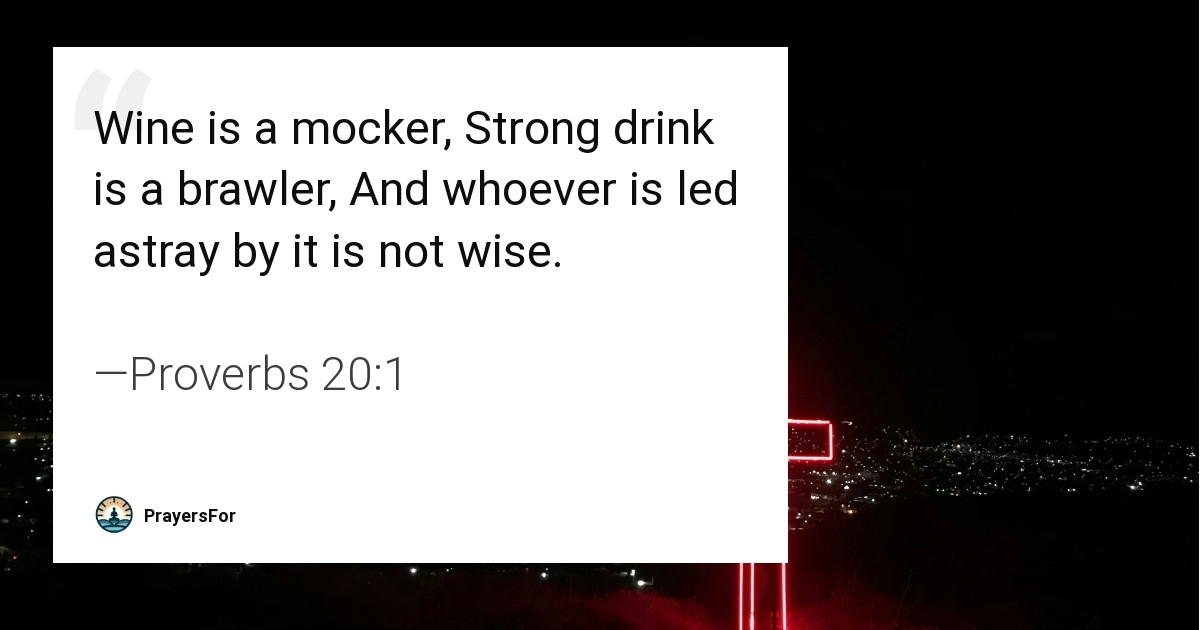
Have you ever wondered what the Bible has to say about dealing with an alcoholic husband? In times of struggle and hardship, turning to the Word of God can provide guidance, comfort, and hope. Understanding what the Bible teaches can offer wisdom and insight into how to navigate this challenging situation with faith and resilience.
In this blog post, we will explore key passages and principles in the Bible that address the struggles faced by women with alcoholic husbands. By delving into the Scriptures, we aim to provide encouragement, clarity, and practical advice for those who are seeking solace and direction in their relationships. Let’s uncover the timeless truths and transformative power of God’s Word together as we seek to find healing and restoration in the midst of difficulty.
The Biblical Perspective on Dealing with an Alcoholic Spouse
What the Bible Says About an Alcoholic Husband
The Bible provides guidance and wisdom on a wide range of topics, including how to navigate challenging situations such as having an alcoholic husband. Dealing with alcoholism in a marriage can be incredibly difficult, but the Word of God offers hope, comfort, and direction for those seeking guidance in this area.
One of the key principles outlined in the Bible is the importance of love and compassion. In Ephesians 4:32, it states, “Be kind and compassionate to one another, forgiving each other, just as in Christ God forgave you.” This verse reminds us of the need to show empathy and understanding towards our spouse, even in the midst of their struggles with alcoholism.
Additionally, the Bible emphasizes the power of prayer. In Philippians 4:6-7, it says, “Do not be anxious about anything, but in every situation, by prayer and petition, with thanksgiving, present your requests to God. And the peace of God, which transcends all understanding, will guard your hearts and your minds in Christ Jesus.” Turning to prayer can be a source of strength and comfort for those dealing with the challenges of living with an alcoholic spouse.
Another important aspect to consider is the concept of forgiveness. In Matthew 6:14-15, Jesus teaches, “For if you forgive other people when they sin against you, your heavenly Father will also forgive you. But if you do not forgive others their sins, your Father will not forgive your sins.” While it may be difficult, extending forgiveness to a spouse struggling with alcoholism can be a powerful act of love and grace.
Ultimately, the Bible encourages us to seek support and guidance from a community of believers. In Galatians 6:2, it states, “Bear one another’s burdens, and so fulfill the law of Christ.” Finding a supportive church community or seeking counseling from a trusted Christian professional can be instrumental in navigating the complexities of having an alcoholic husband.
In conclusion, while grappling with the challenges of having an alcoholic husband can be overwhelming, the Bible offers valuable insights and principles to guide individuals through this difficult journey. By leaning on the teachings of Scripture, practicing love, compassion, forgiveness, and seeking support from a community of believers, individuals can find strength, hope, and healing in the midst of challenging circumstances.
What are the 4 types of wives of alcoholics?
In the context of Bible, there is a widely known saying about the “four types of wives of alcoholics.” This saying is not specifically mentioned in the Bible, but it is often used in discussions about relationships and addiction. The four types are:
1. The Enabler: This type of wife enables the alcoholic’s behavior by making excuses for them, covering up their actions, or tolerating the addiction without seeking help.
2. The Martyr: The martyr wife sacrifices her own needs and well-being to take care of the alcoholic, often putting their partner’s addiction above everything else in their life.
3. The Controller: This wife tries to control every aspect of the alcoholic’s life, believing that they can somehow force the person to stop drinking through manipulation or coercion.
4. The Victim: The victim wife feels powerless and trapped in the situation, often experiencing emotional or physical abuse as a result of the alcoholic’s behavior.
These categorizations are not meant to label or stereotype individuals, but rather to highlight common patterns of behavior that can emerge in relationships affected by addiction. It is important for individuals in these situations to seek support and guidance in dealing with the challenges they face.
What does Jesus say about alcoholics?
In the Bible, specifically in the book of 1 Corinthians 6:10, it is mentioned that “drunkards” will not inherit the kingdom of God. This indicates that Jesus does not approve of alcohol abuse or excessive drinking. Additionally, in Ephesians 5:18, it is advised to “not get drunk with wine, for that is debauchery, but be filled with the Spirit”. This suggests that moderation and self-control are important when it comes to consuming alcohol according to the teachings of Jesus in the Bible.
Why you should not marry an alcoholic?
If you are a believer in the Bible, there are several reasons why marrying an alcoholic may not be advisable.
1. Temple of the Holy Spirit: According to 1 Corinthians 6:19-20, our bodies are temples of the Holy Spirit. Marrying an alcoholic could lead to harm and destruction of this temple through the effects of alcohol abuse on both the individual and the relationship.
2. Unequal yoking: In 2 Corinthians 6:14, believers are warned against being unequally yoked with unbelievers. While alcoholism itself is not the issue here, the lifestyle and priorities that often accompany it can cause significant discord in a marriage between a believer and an alcoholic.
3. Destructive behavior: Proverbs 23:29-35 warns about the dangers of alcoholism, including its ability to lead to destructive and erratic behavior. Marrying an alcoholic could expose you to these negative consequences and potentially put you and any children at risk.
4. Health and well-being: 1 Corinthians 6:12 reminds us that not everything is beneficial for us. Marrying an alcoholic could have serious implications for your own health and well-being, as well as the stability of your family unit.
While it is important to show love and compassion to those struggling with addiction, wisdom should also guide our decisions when it comes to choosing a life partner. Ultimately, seeking God’s guidance and relying on prayer can help navigate such challenging situations.
What is the name of the group for the family of alcoholics?
The group for the family of alcoholics in the context of the Bible is called Al-Anon.