
Have you ever wondered which version of the Bible Episcopalians use in their worship services? Understanding the choice of biblical translation can provide insight into the beliefs and practices of the Episcopal Church. By exploring the version of the Bible commonly used by Episcopalians, we can gain a deeper appreciation for the rich tradition and theology that shape their faith community.
The Bible plays a central role in Episcopal worship and spiritual life, serving as a source of inspiration, guidance, and reflection for its members. Learning about the specific version of the Bible preferred by Episcopalians can enhance our understanding of their liturgical practices and theological perspectives. By delving into the reasons behind the selection of a particular translation, we can uncover the nuances and significance that different versions of the Bible bring to the Episcopal tradition.
Understanding the Bible Versions Preferred by Episcopalians
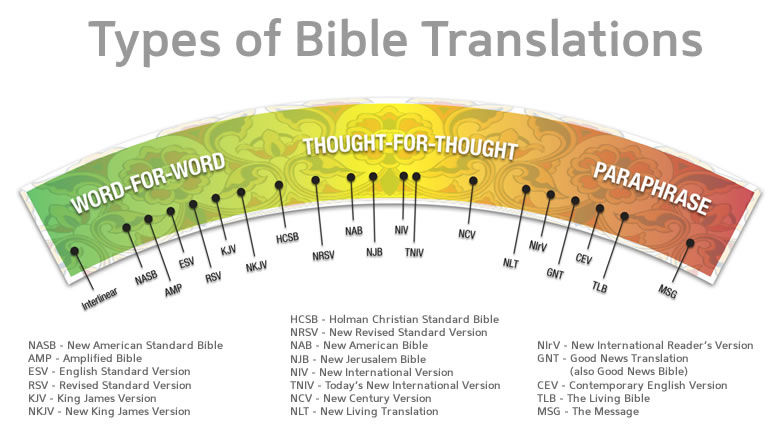
Episcopalians primarily use the New Revised Standard Version (NRSV) of the Bible for their worship, study, and reflection. The NRSV is one of the most widely respected and commonly used translations within the Episcopal Church, known for its scholarly accuracy and readability.
Historical Context: The Episcopal Church has a rich history of using the King James Version (KJV) of the Bible, which was the authorized version used by the Church of England. However, as language evolved and new manuscripts were discovered, the need for a more modern and accurate translation became evident. This led to the development of the Revised Standard Version (RSV) in the mid-20th century, which later evolved into the NRSV.
Translation Philosophy: The NRSV is renowned for its commitment to balancing faithfulness to the original languages with accessibility to contemporary readers. It is based on the most up-to-date scholarship and takes into account the latest archaeological and textual discoveries. The translation committee sought to produce a text that is both literal and elegant, making it suitable for both academic study and liturgical use.
Usage in Worship: Episcopalians often use the NRSV in their Sunday services, including readings during the Holy Eucharist, the Daily Office, and other liturgical rites. The language and phrasing of the NRSV lend themselves well to public proclamation, making it a popular choice for communal worship. Additionally, many Episcopal hymnals and prayer books contain excerpts and references to the NRSV.
Acceptance and Reception: The NRSV has been widely embraced by Episcopalians for its clarity, accuracy, and inclusivity. Its gender-inclusive language, where applicable, reflects the Episcopal Church’s commitment to equality and social justice. While some traditionalists may still prefer the KJV or other versions, the NRSV has become the standard translation in most Episcopal congregations and educational settings.
Continuing Evolution: As biblical scholarship advances and language continues to change, Episcopalians remain open to exploring new translations and interpretations of the Bible. While the NRSV currently holds a central place in Episcopal liturgy and theology, the Church continues to engage with different translations and versions to deepen its understanding of scripture and enrich its worship life.
Do Episcopalians use ESV?
Yes, Episcopalians commonly use the ESV (English Standard Version) Bible in their worship services and personal study. The ESV is known for its accuracy in translation and readability, making it a popular choice among many Christian denominations, including Episcopalians.
Which Bible version do Anglicans use?
Anglicans typically use the King James Version (KJV) of the Bible. However, they also commonly use the Revised Standard Version (RSV) and the New Revised Standard Version (NRSV) in their worship and study.
What religion is closest to Episcopalian?
The religion closest to Episcopalianism is Anglicanism. Anglicanism shares many similarities with Episcopalianism in terms of their beliefs, practices, and structures, as they both stem from the Church of England. Both traditions emphasize the importance of liturgical worship, sacraments, apostolic succession, and the authority of tradition in interpreting the Bible.
How are Episcopalians different from other Christians?
Episcopalians are a denomination within Christianity that has distinct characteristics setting them apart from other Christian groups. One key difference is their hierarchical structure. Episcopalians are governed by bishops, who oversee individual congregations and clergy members. This hierarchical system is known as episcopal polity, hence the name Episcopalians.
Another distinguishing feature of Episcopalians is their liturgical worship. Episcopal services often follow a formal and ritualized order, with a focus on sacraments like Holy Communion. The Book of Common Prayer is central to Episcopal worship and guides their liturgical practices.
In terms of theology, Episcopalians are known for their emphasis on tradition and reason alongside Scripture. They look to ancient Christian traditions, theological writings, and modern scholarship to interpret and understand the Bible.
Overall, while Episcopalians share many core beliefs with other Christians, these differences in governance, worship style, and theological approach give them a unique identity within the broader Christian faith.