
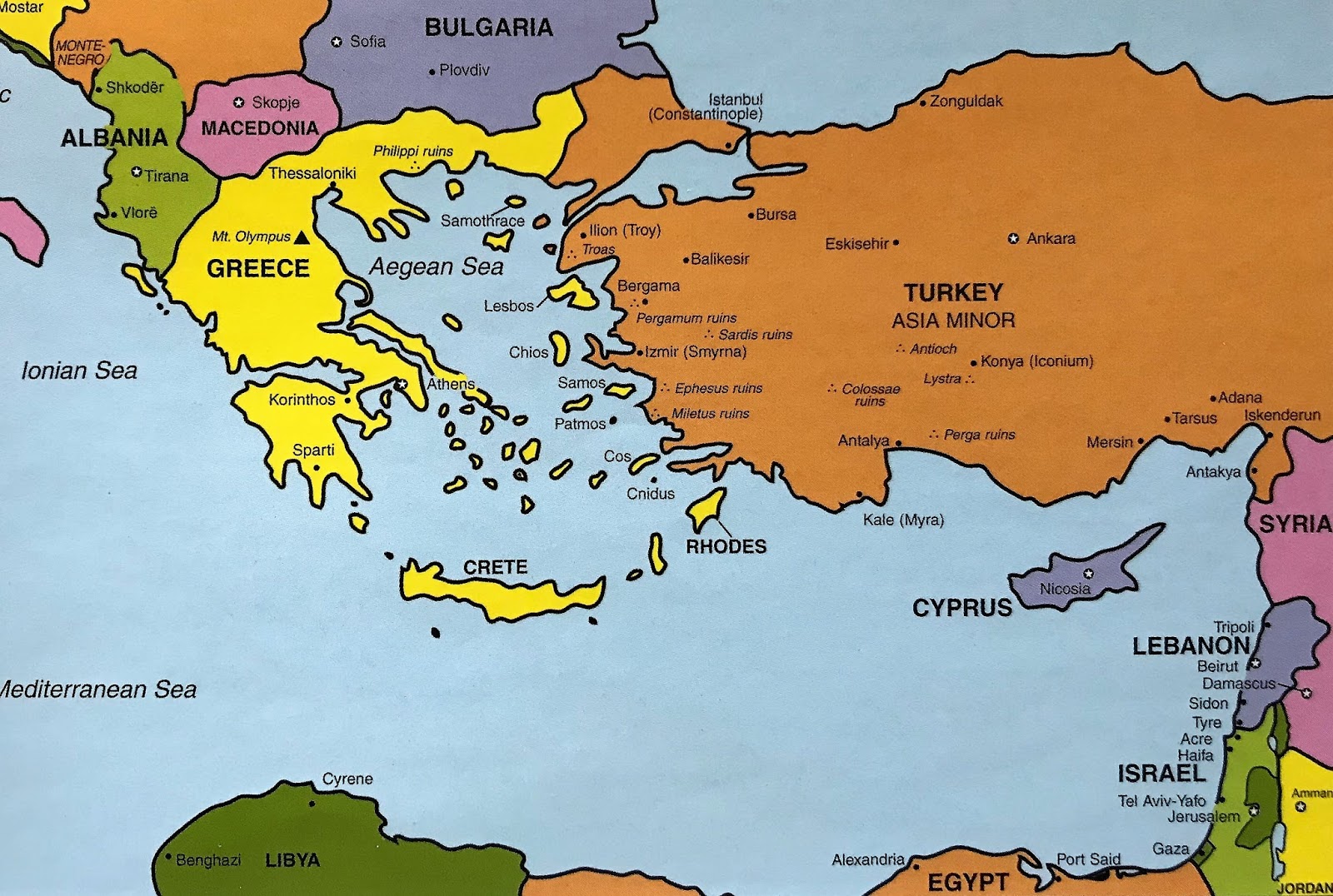
Have you ever wondered what present-day Turkey was like during biblical times? Delve into the fascinating history of this ancient land and discover its significance in the Bible. From the cities mentioned in the New Testament to the journeys of Paul the Apostle, Turkey holds a rich tapestry of biblical narratives waiting to be explored.
In this blog post, we will uncover the historical context of Turkey in the Bible, shedding light on its relevance to the stories and events recorded in sacred scriptures. By understanding the cultural and geographical settings of biblical references to Turkey, readers will gain a deeper appreciation for the interconnectedness of ancient civilizations and the messages conveyed through biblical accounts. Join us on this journey as we unravel the mysteries of what Turkey was in Bible times and unlock valuable insights into our shared heritage of faith.
The Presence of Turkey in Biblical History
Turkey, known as Asia Minor in ancient times, holds significant historical and biblical importance. Situated at the crossroads of Europe and Asia, this region was a melting pot of cultures and civilizations that left a lasting impact on its history. In the Bible, Turkey is mentioned numerous times under various names, such as Anatolia, Asia Minor, and the Land of the Seven Churches.
During the Old Testament period, Turkey was home to several ancient civilizations, including the Hittites, Phrygians, and Lycians. The Hittites, in particular, played a prominent role in biblical narratives, with references to them found in the books of Genesis, Numbers, and 2 Kings. The ruins of their capital city, Hattusa, can still be seen in modern-day Turkey.
In the New Testament, Turkey features prominently in the missionary journeys of the Apostle Paul. He visited cities like Ephesus, Antioch, and Tarsus, where he preached the gospel and established Christian communities. The seven churches of Asia mentioned in the Book of Revelation were also located in western Turkey, including Ephesus, Smyrna, and Laodicea.
The ancient city of Troy, immortalized in Homer’s epic poem the Iliad, is located in modern-day Turkey. It is believed to have been the site of the legendary Trojan War, as well as the setting for the adventures of Odysseus in the Odyssey.
Turkey’s rich archaeological heritage continues to shed light on its biblical past, with ongoing excavations uncovering new discoveries that deepen our understanding of the region’s history. The biblical lands of Turkey serve as a tangible link to the stories and events recorded in the Bible, allowing visitors to walk in the footsteps of ancient prophets, apostles, and civilizations.
What was Turkey known as in the Bible?
In the Bible, Turkey was known as Asia Minor. This region plays a significant role in the development of early Christianity, with several of the apostles and early Christian communities located there.
What is the ancient name of Turkey?
The ancient name of Turkey in the context of the Bible is Asia Minor.
What Bible lands are in Turkey?
Turkey is home to several Bible lands mentioned in the Old Testament and the New Testament. Some of the key Bible lands in Turkey include Paul’s missionary journeys which took place in cities such as Ephesus, Antioch, and Tarsus. Additionally, Cappadocia in modern-day Turkey is also referenced in the New Testament. These Bible lands provide a rich historical and cultural background for understanding the events and stories recounted in the Bible.
Did Jesus preach in Turkey?
Yes, according to Christian tradition and some historical accounts, Jesus did preach in what is now modern-day Turkey. It is believed that the apostle Paul traveled extensively throughout Turkey, spreading the teachings of Jesus. Some of the early Christian communities mentioned in the New Testament, such as Ephesus and Colossae, were located in present-day Turkey. Additionally, the Book of Revelation is addressed to seven churches in Asia Minor, which is also part of modern-day Turkey. So while there is no direct evidence that Jesus himself preached in Turkey, his teachings were certainly spread throughout the region by his followers.