
Have you ever considered the vital role women play in shaping economic outcomes throughout history? In the Bible, there is a remarkable woman whose actions and decisions hold significant economic implications. Join us as we explore the story of this influential biblical figure and uncover the valuable lessons she teaches us about the intersection of women, power, and economics.
In this blog post, we will delve into the narrative of this extraordinary woman and analyze the economic impact of her actions. By examining her story through an economic lens, we will gain insight into the power dynamics at play and the importance of women in driving financial decisions and outcomes. Join us on this enlightening journey as we discover the woman in the Bible who holds economics in her hand.
The Empowered Women of the Bible: Unveiling Their Economic Influence
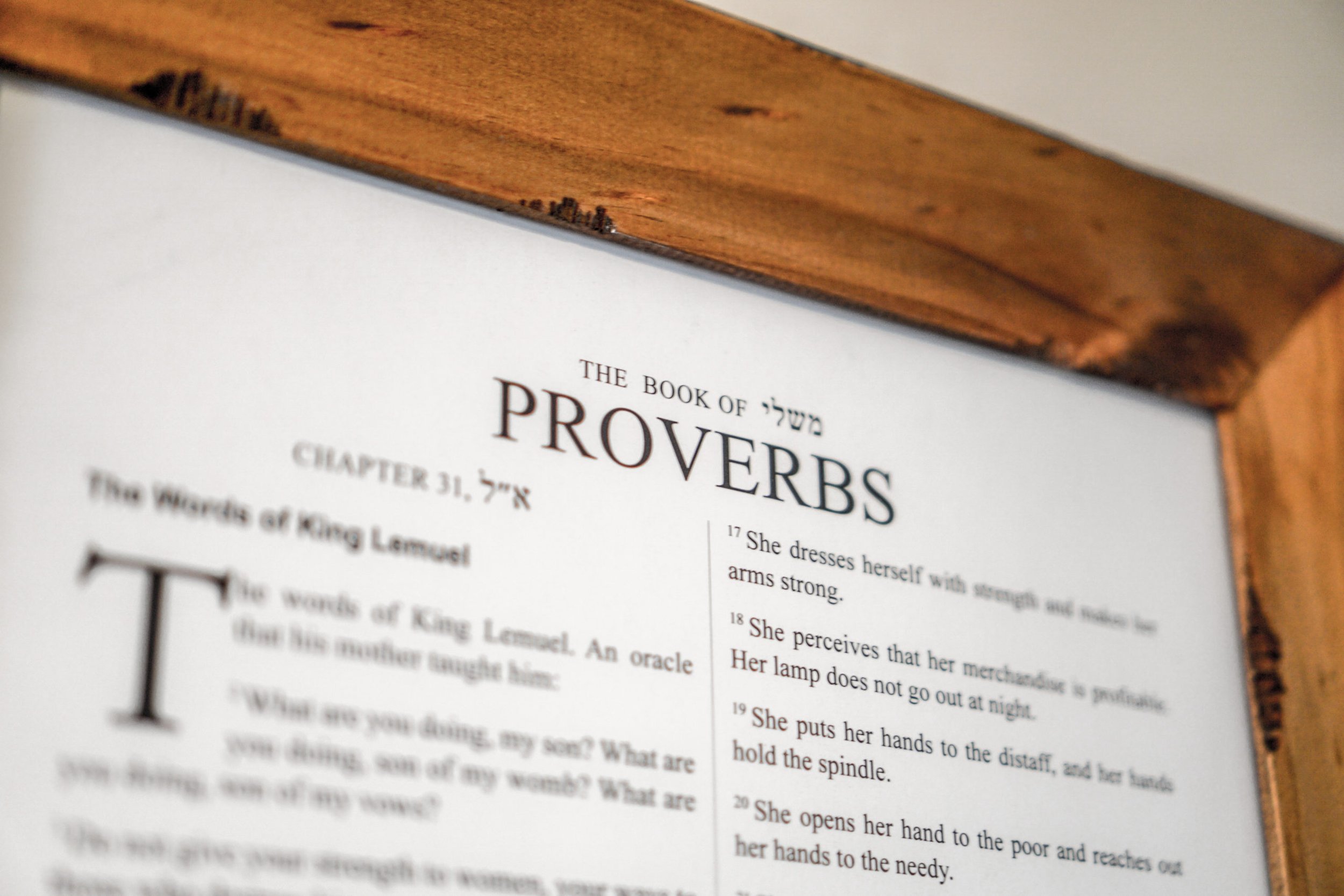
One woman in the Bible who holds economics in her hand is the famous figure of the Proverbs 31 woman. This passage, found in the book of Proverbs in the Old Testament, describes a woman of noble character who is industrious, resourceful, and financially savvy.
The Proverbs 31 woman is depicted as someone who manages her household well, invests in real estate, buys and sells goods, and provides for her family. She is described as being diligent in her work and wise in her financial decisions. Her economic activities not only benefit her own family but also enable her to help those in need.
This woman’s ability to handle money and investments with wisdom and skill sets her apart as a model of economic empowerment. She is not afraid to take calculated risks and work hard to achieve financial stability and success. Her entrepreneurial spirit and strategic mindset demonstrate that she is not only capable of managing her household but also excelling in the marketplace.
The Proverbs 31 woman serves as an inspiration for women today to be proactive and responsible in managing their finances and investments. Her story reminds us of the importance of diligence, integrity, and prudence in handling economic matters. By following her example, women can empower themselves to make sound financial decisions and build a secure future for themselves and their families.
Who was an economist in the Bible?
In the Bible, Joseph can be considered an economist. He served as the Pharaoh’s chief advisor in Egypt and implemented policies to manage the economy during a period of abundance and famine. Joseph’s actions, such as storing grain during years of plenty to prepare for years of scarcity, demonstrate his economic acumen and strategic planning skills.
What was Abigail in the Bible known for?
Abigail in the Bible is known for her wisdom and diplomacy. She intervened to prevent David from taking revenge on her husband Nabal, who had insulted David. Abigail approached David with humility and brought him gifts, persuading him to show mercy and not shed innocent blood. David was impressed by her wisdom and praised her for preventing him from committing a hasty and vengeful act. Abigail’s actions demonstrated her intelligence and peace-making skills, earning her a favorable reputation in the Bible.
Which woman in the Bible is a business woman?
One woman in the Bible who is known as a businesswoman is Lydia. Lydia was a seller of purple cloth from the city of Thyatira, and she is mentioned in the book of Acts in the New Testament. She was a worshiper of God and invited the Apostle Paul to stay at her home. Lydia’s hospitality and business acumen are highlighted in the Bible, making her an example of a successful female entrepreneur in biblical times.
What is special about Lydia in the Bible?
Lydia is a significant figure in the Bible as she is known as the first recorded European convert to Christianity in the New Testament. She is mentioned in the book of Acts, specifically in Acts 16:14-15, where she is described as a seller of purple cloth from Thyatira.
One of the most special things about Lydia is that she was a woman of great faith and hospitality. She welcomed the apostle Paul and his companions into her home in Philippi and showed them kindness and generosity. Lydia’s open heart and willingness to hear the gospel led to her conversion and baptism, along with her entire household.
Moreover, Lydia is also significant because she became a key supporter of the early Christian church. After her conversion, she offered her home as a meeting place for believers, enabling the spread of the gospel in Philippi. Her role as a benefactor and patron of the church highlights the importance of women in the early Christian community.
Overall, Lydia’s story in the Bible serves as a powerful example of a woman of faith, hospitality, and leadership in the early church. Her actions demonstrate the transformative power of the gospel and the important role that individuals, regardless of gender or background, can play in furthering God’s kingdom.