
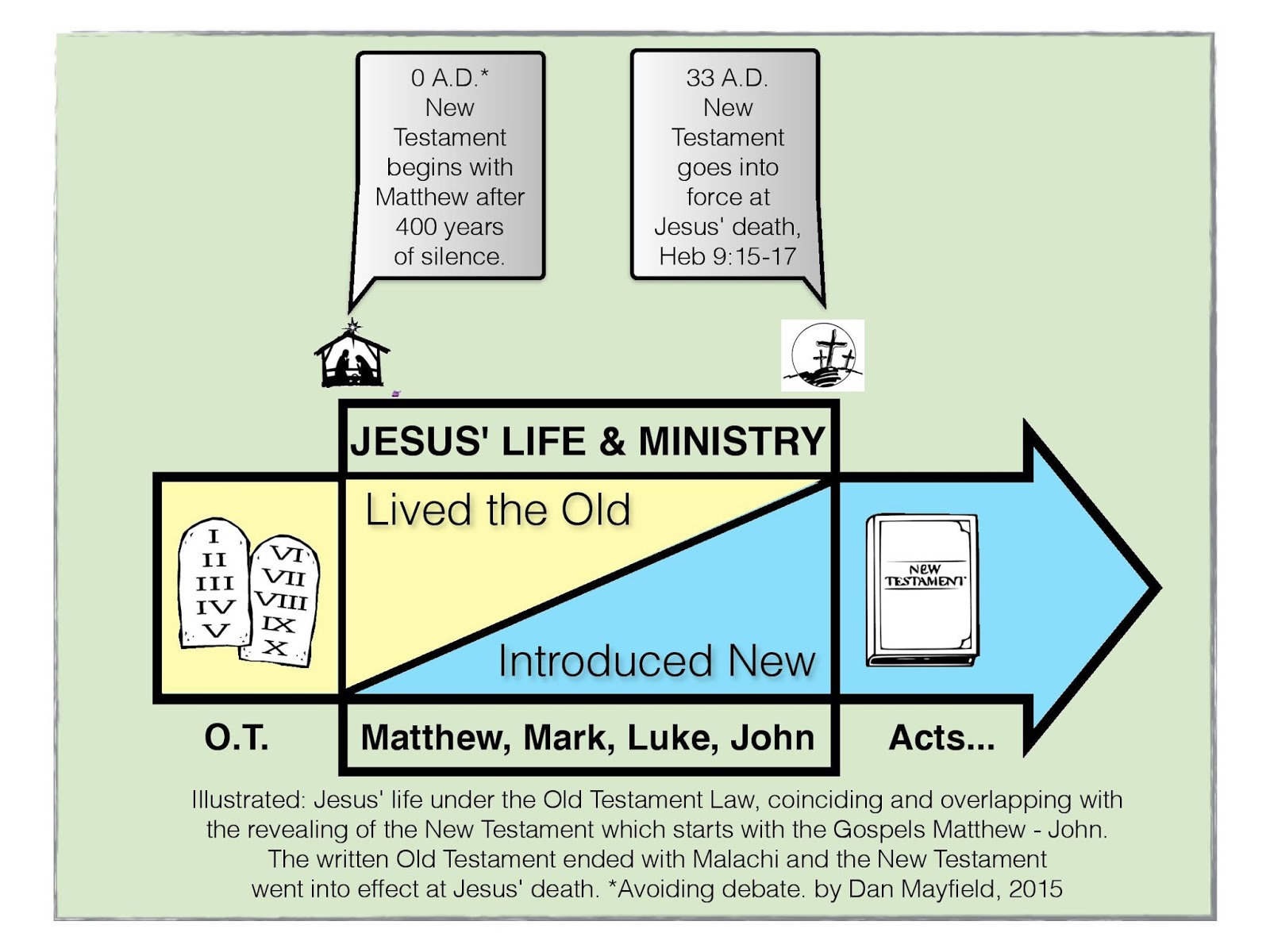
Have you ever wondered when the New Testament truly begins in the Bible? This is a question that many individuals may ponder as they explore the origins of Christianity and the teachings of Jesus. In this blog post, we will delve into this topic to provide clarity and insight into the significance of the New Testament’s beginning.
Understanding when the New Testament officially commences in the Bible is essential for grasping the context and progression of Christian theology. By uncovering the specific point at which the New Testament begins, readers can deepen their knowledge of the transition from the Old Testament to the teachings of Jesus and the early Christian church. Join us on this journey of discovery as we unravel the mysteries surrounding the inception of the New Testament in the Bible and its profound impact on Christian faith and doctrine.
The Inception of the New Testament: Exploring its Origin in the Bible
The New Testament is the second part of the Christian Bible and contains twenty-seven books, which were written after the Old Testament. The New Testament begins with the arrival of Jesus Christ and covers his life, teachings, death, and resurrection.
The exact moment when the New Testament begins in the Bible can be seen as the beginning of Christ’s ministry or with the announcement of John the Baptist. However, one key event that marks the start of the New Testament is the birth of Jesus Christ in Bethlehem.
The four Gospels—Matthew, Mark, Luke, and John—are considered the heart of the New Testament. They recount the life, teachings, miracles, death, and resurrection of Jesus. These books are essential in understanding the foundation of the Christian faith and the message of salvation through Jesus Christ.
Following the Gospels, the New Testament continues with the Acts of the Apostles, which details the early spread of Christianity after Jesus’ ascension into heaven. It provides historical accounts of the apostles’ ministries, the growth of the early church, and the conversion of Paul.
The remaining books of the New Testament include letters (epistles) written by early Christian leaders, primarily Paul, to various churches and individuals. These letters address theological issues, provide guidance for Christian living, and offer encouragement to believers.
The final book of the New Testament is Revelation, which is apocalyptic in nature and offers visions of the end times, the return of Christ, and the ultimate triumph of God over evil.
Overall, the New Testament represents the culmination of God’s plan for salvation through Jesus Christ and serves as a guide for Christian belief and practice. It is a testament to the enduring message of hope, redemption, and love that Christ brought to the world.
What chapter is the start of the New Testament?
The start of the New Testament is in the Gospel of Matthew, which is the first book of the New Testament in the Bible.
When dies the Old Testament end?
The Old Testament ends with the book of Malachi, which is the last book in the Hebrew Bible. This book marks the conclusion of the prophetic writings in the Old Testament and precedes the New Testament in the Christian Bible.
Did the New Testament start when Jesus was born?
No, the New Testament did not start when Jesus was born. The New Testament refers to the second part of the Christian Bible, which contains the teachings of Jesus Christ and the early Christian church. The New Testament begins with the life, ministry, death, and resurrection of Jesus Christ. It was written after His death and resurrection by His followers and early Christian leaders.
How long does it take from the Old Testament to the New Testament?
The time period from the Old Testament to the New Testament spans approximately 400 years. This period is often referred to as the “silent years” because there were no prophets or written records during this time. The last book of the Old Testament, Malachi, was written around the 5th century BC, and the New Testament begins with the birth of Jesus Christ in the 1st century AD. This gap of 400 years represents a significant transition in history and religious thought, leading up to the coming of Jesus Christ as prophesied in the Old Testament.