
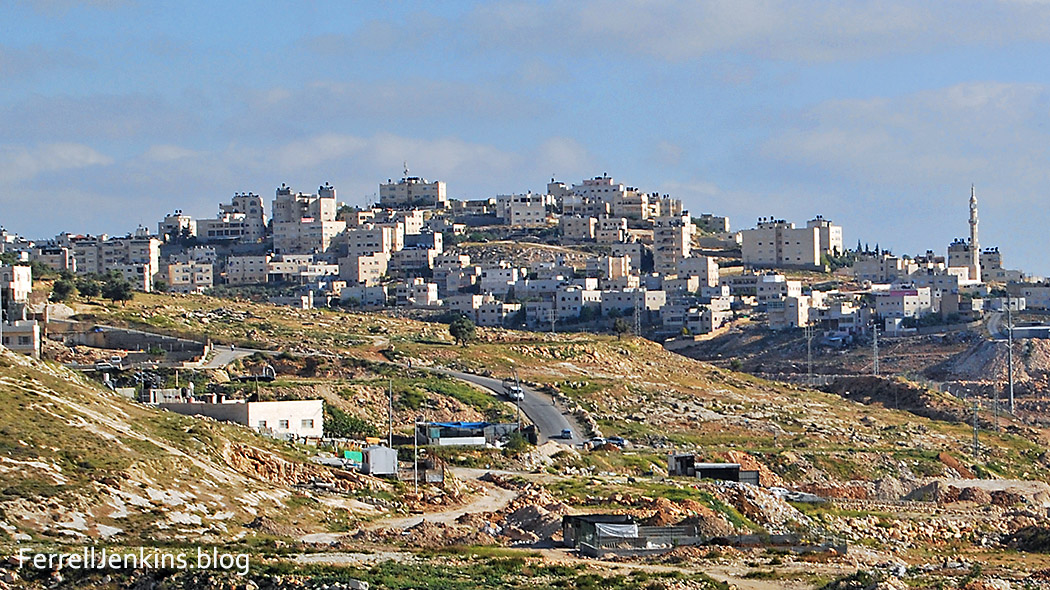
Have you ever wondered where Anathoth is mentioned in the Bible and what significance it holds? In this blog post, we will delve into the intriguing history and biblical references of Anathoth, shedding light on its location and importance in the scriptures. By exploring this lesser-known yet meaningful biblical town, we aim to deepen our understanding of the cultural context and geographical landscapes described in the Bible.
Discovering the whereabouts of Anathoth in the Bible can offer us a unique perspective on the narratives and characters associated with this ancient city. Unveiling the layers of historical and religious connections related to Anathoth can enrich our appreciation of the intricate tapestry that makes up the biblical text. Join us on this fascinating journey as we unravel the mystery of Anathoth and uncover the hidden treasures waiting to be found in the pages of the Bible.
Uncovering the Biblical Location of Anathoth: Exploring its Significance and Relevance
Anathoth is a location mentioned in the Bible, primarily in the Old Testament. The city of Anathoth was located in the territory of the tribe of Benjamin, to the north of Jerusalem. It is believed to have been situated about three miles northeast of Jerusalem. The name “Anathoth” means “answers to prayer” or “echoing responses.”
Anathoth is first mentioned in Joshua 21:18 as one of the cities given to the Levites. Specifically, the descendants of Aaron, the high priest, were allotted Anathoth as one of their cities. In 1 Chronicles 6:60, Anathoth is mentioned as being located within the territory of the tribe of Benjamin.
The city gained further prominence due to its association with the prophet Jeremiah. Jeremiah was from Anathoth, as stated in Jeremiah 1:1. He is often referred to as the “weeping prophet” due to the sorrow and distress he expressed over the spiritual condition of Judah and Jerusalem. Jeremiah’s prophecies were met with opposition, and he faced persecution for his unpopular messages.
In Jeremiah 11:21-23, we see a reference to a plot against Jeremiah’s life by the men of Anathoth, his own townsmen. Despite the challenges he faced, Jeremiah remained faithful to his calling as a prophet, delivering God’s messages to the people of Judah.
Anathoth is also mentioned in the book of Ezra. In Ezra 2:23 and Nehemiah 7:27, Anathoth is listed among the cities where the priests who returned from the Babylonian exile settled.
Overall, Anathoth holds significance in the Bible as the birthplace of the prophet Jeremiah and as one of the cities allocated to the Levites. Its association with Jeremiah serves as a reminder of the challenges faced by prophets in delivering God’s messages to the people, even when those messages are met with resistance and opposition.
Did Jeremiah live in Anathoth?
Yes, Jeremiah lived in Anathoth. According to Jeremiah 1:1 in the Bible, he was a prophet from Anathoth, a town in the land of Benjamin.
What happened to the people of Anathoth?
The people of Anathoth were mentioned in the Bible in the Book of Jeremiah. In Jeremiah 11:21-23, it is said that the people of Anathoth plotted against Jeremiah, who was a prophet. Jeremiah cried out to the Lord for vengeance upon them, asking God to punish them for their wickedness. It is not explicitly stated what happened to the people of Anathoth in the Bible, but the implication is that they faced divine judgment for their actions against Jeremiah.
What is the field of Anathoth?
Anathoth was a town that belonged to the tribe of Benjamin, located about three miles northeast of Jerusalem. It is mentioned in the Bible as the birthplace of the prophet Jeremiah. In Jeremiah 1:1, it says, “The words of Jeremiah son of Hilkiah, one of the priests at Anathoth in the territory of Benjamin.” Anathoth played a significant role in the life and ministry of Jeremiah, as it was where he received his call from God to be a prophet.
Why is Jeremiah called the weeping prophet?
Jeremiah is called the weeping prophet because of his deep sorrow and lamentations over the sins and impending judgment of the people of Judah. In the Book of Jeremiah, he expresses a great deal of grief and anguish as he delivers messages of warning and repentance to the nation. His heartbreak and tears for his people earned him the title of the weeping prophet, highlighting his compassion and emotional response to the spiritual condition of his fellow Israelites.