
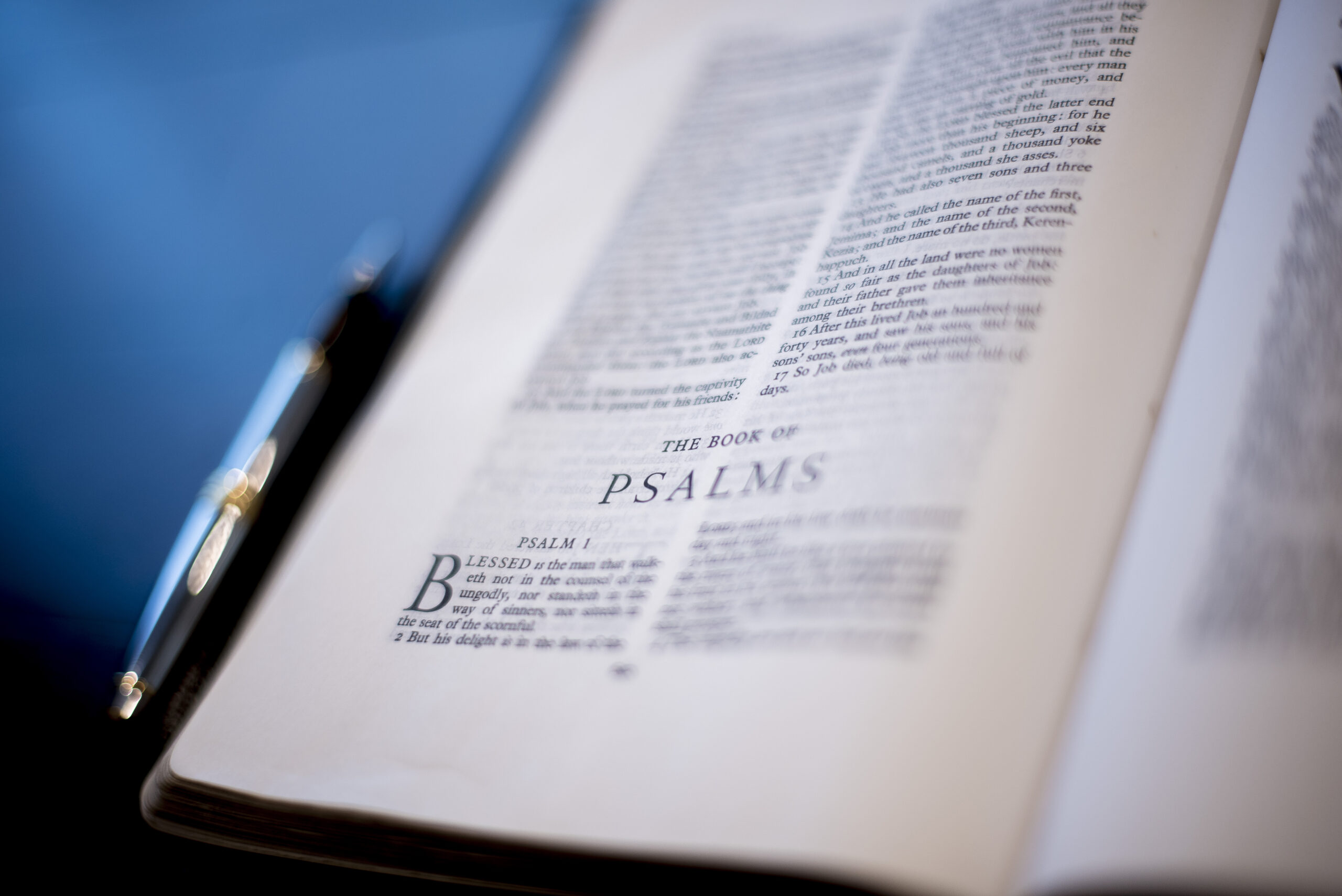
Have you ever wondered why certain words are italicized in the Bible? This unique formatting choice is not just a stylistic preference, but serves a specific purpose that adds depth and clarity to the text. By understanding the reasons behind this emphasis on certain words, readers can gain a richer understanding of the context, meaning, and significance of the scriptures.
In this blog post, we will explore the significance of italicized words in the Bible and delve into the various reasons why they are used. From highlighting key themes and emphasizing important concepts to conveying nuances and providing historical context, italicized words play a crucial role in helping readers grasp the deeper layers of meaning embedded within the sacred text. Join us on this journey of discovery as we uncover the hidden gems and insights that italicized words offer in unraveling the mysteries of the Bible.
Unveiling the Mystery: The Purpose Behind Italicized Words in the Bible
In the Bible, it is common to see certain words or phrases italicized in the text. This practice has been a subject of curiosity and discussion among scholars and readers for centuries. There are several reasons why words may be italicized in the Bible, each serving a specific purpose in conveying the message and meaning of the text.
One primary reason for italicizing words in the Bible is to indicate emphasis. Just as we might use italics in modern writing to draw attention to a particular word or phrase, biblical authors utilized this formatting technique to highlight important concepts, ideas, or themes. By italicizing specific words, the writers sought to guide readers’ focus and underscore the significance of those terms within the context of the passage.
Another reason for italicizing words in the Bible is to signify direct quotations, especially when referencing passages from other sources such as scriptures, prophecies, or historical accounts. By italicizing these borrowed words, biblical authors aimed to differentiate them from the surrounding text and maintain clarity regarding their origin and authority.
Additionally, italicization in the Bible is often used to denote titles, names, or specific terms that hold special significance within the religious context. By setting these words apart visually, the text provides a visual cue to readers that these terms carry symbolic, theological, or cultural weight that is essential to understanding the broader message being conveyed.
Moreover, italicized words in the Bible can serve a poetic or stylistic purpose, enhancing the rhythm and flow of the language to evoke deeper emotional or spiritual responses from readers. Through strategic italicization, biblical writers could create a sense of heightened drama, suspense, or reverence, enriching the reading experience and reinforcing the narrative’s impact.
In conclusion, the italicization of words in the Bible serves multiple functions, ranging from emphasizing key points and distinguishing quotations to highlighting significant terms and enhancing the literary quality of the text. By employing this formatting technique thoughtfully and purposefully, biblical authors effectively communicated their message and engaged readers on both intellectual and emotional levels.
Why are some words italicized?
Certain words in the Bible are italicized to indicate when they have been added by translators for clarity or to improve the flow of the text. These added words are not present in the original Hebrew, Aramaic, or Greek manuscripts. Italicizing these words helps readers to distinguish them from the original text.
It is important to note that italicized words in the Bible are not inspired and should be viewed as additions made by translators. While they can be helpful in clarifying the meaning of a passage, it is always recommended to consult multiple translations and refer back to the original languages when studying the Bible.
What is the origin of italicized words in the Bible?
The origin of italicized words in the Bible can be traced back to the practice of early scribes and translators. In many versions of the Bible, italicized words are used to signify words that were added by the translators for clarity or to convey the intended meaning of the original text. These words are not present in the original Hebrew, Aramaic, or Greek manuscripts but are inserted to help readers understand the context or nuances of the text. The use of italics in the Bible helps distinguish between the words that are directly translated from the original languages and those that have been added for readability.
What does italics in KJV mean?
In the King James Version (KJV) of the Bible, italics are used to indicate words that were added by the translators for clarity or to make the English translation more readable. These italicized words are not present in the original Hebrew, Aramaic, and Greek texts but have been inserted to improve understanding in English.
Italics serve as a helpful tool for readers to differentiate between the original text and the translator’s additions, allowing them to grasp the intended meaning more accurately.
Is the Bible always italicized?
In English writing style, it is common to italicize the titles of books and other long works, such as the Bible. However, there is no strict rule that the Bible must always be italicized. It ultimately depends on the style guide or personal preference of the writer.
While it is generally recommended to italicize the title of the Bible, some style guides may suggest using quotation marks instead. Just ensure consistency in your writing and follow the guidelines of the style manual you are using.