
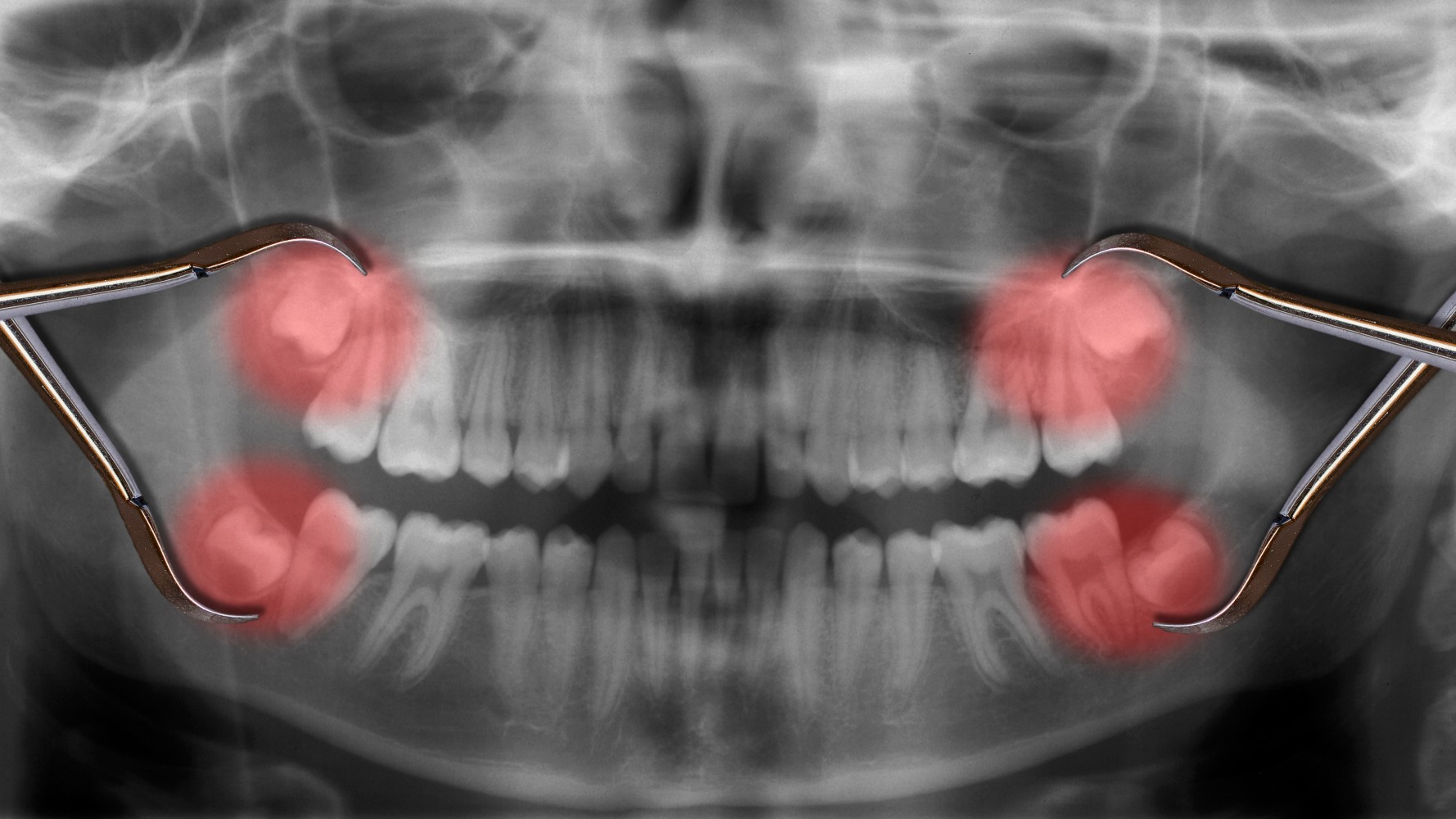
Have you ever wondered why we have wisdom teeth, and what significance they may hold in the context of the Bible? In this blog post, we will explore the intriguing connection between wisdom teeth and the biblical understanding of wisdom, shedding light on their purpose and symbolism in our lives.
Wisdom teeth, also known as third molars, often emerge later in life when a person has gained more life experience and knowledge. In the Bible, wisdom is highly valued and is considered a gift from God that leads to discernment and understanding. By delving into the concept of wisdom teeth through a biblical lens, we can uncover deeper insights into the importance of acquiring wisdom throughout our spiritual journey.
The Significance of Wisdom Teeth in the Bible: Exploring the Divine Purpose Behind Their Existence
Wisdom teeth, also known as third molars, are the last set of molars to erupt in the mouth. They typically appear in the late teens or early twenties. The presence of wisdom teeth raises questions about their purpose and why they can cause complications for many people.
In the Bible, there is no direct mention of wisdom teeth. However, the concept of wisdom is a prominent theme throughout the Scriptures. Proverbs 2:6-7 tells us, “For the Lord gives wisdom; from his mouth come knowledge and understanding. He holds success in store for the upright, he is a shield to those whose walk is blameless.” This passage highlights the importance of seeking wisdom from God and the benefits it brings to those who follow His ways.
The existence of wisdom teeth in humans may not have a direct correlation to biblical teachings, but we can draw parallels between the challenges posed by wisdom teeth and the trials faced in our spiritual journey. Just as wisdom teeth can cause pain and discomfort as they emerge, our pursuit of wisdom and understanding in faith may also be met with struggles and obstacles.
Moreover, the removal of wisdom teeth due to complications aligns with the idea of pruning and refining in the Bible. John 15:2 states, “He cuts off every branch in me that bears no fruit, while every branch that does bear fruit he prunes so that it will be even more fruitful.” This verse emphasizes the necessity of removing what is harmful or obstructive to promote growth and productivity.
As we navigate the challenges posed by wisdom teeth, both physically and spiritually, we can find solace in the wisdom and guidance offered in the Scriptures. Seeking wisdom from God and trusting in His plan can help us overcome difficulties and emerge stronger and more resilient in our faith journey.
What was the reason for wisdom teeth?
In the context of the Bible, there is no explicit mention of the reason for wisdom teeth. However, some scholars and theologians suggest that wisdom teeth may symbolize growth and maturation. Just as wisdom teeth appear later in life when a person has matured, wisdom and understanding also come with age and experience according to biblical teachings. Additionally, some Christians believe that wisdom teeth could serve as a reminder to seek wisdom and knowledge from God, aligning with the themes of seeking guidance and understanding found throughout the Bible.
What do teeth represent in the Bible?
In the Bible, teeth are often used as a metaphor for power, strength, and judgment. For example, in the book of Proverbs 30:14, it mentions a generation whose teeth are like swords and whose jawbones are set with knives, emphasizing their aggressive and destructive nature. Additionally, in the book of Psalms 58:6, teeth are described as weapons of judgment, illustrating their role in executing justice. Overall, teeth in the Bible symbolize authority, fierceness, and the ability to overcome obstacles.
Why did humans used to have wisdom teeth?
In the Bible, the presence of wisdom teeth can be viewed as part of the design of human beings by God. According to the book of Genesis, God created man and woman in His own image and likeness, with teeth being an essential part of the human body for eating and nourishment.
Some Bible scholars suggest that wisdom teeth may have served a purpose in ancient times when humans likely had diets that required more chewing and grinding of tough foods. In this sense, wisdom teeth could have been a provision from God to help our ancestors sustain themselves with the limited resources available to them.
However, with changes in diet and advancements in technology over time, the need for wisdom teeth has diminished. Many people now experience issues such as overcrowding and impaction due to the modern diet and evolution, leading to the widespread removal of these teeth.
Overall, the presence of wisdom teeth in humans can be seen as a reflection of God’s intricate design and provision for our ancestors, even if their significance may have diminished in modern times.
Why experts now say not to remove your wisdom teeth?
Experts now say not to remove your wisdom teeth because recent studies have shown that in many cases, the risks associated with the surgery may outweigh the benefits. While removing wisdom teeth was once a common practice to prevent future dental issues, it is now recognized that for some individuals, keeping the wisdom teeth in place may not cause any problems. Additionally, advancements in dental care and technology have made it possible to monitor and address any issues that may arise with wisdom teeth without resorting to removal. It is important for individuals to consult with their dentist or oral surgeon to determine the best course of action for their specific situation.